Mastering Uncertainty: Your Ultimate Guide to the PMI RMP Certification
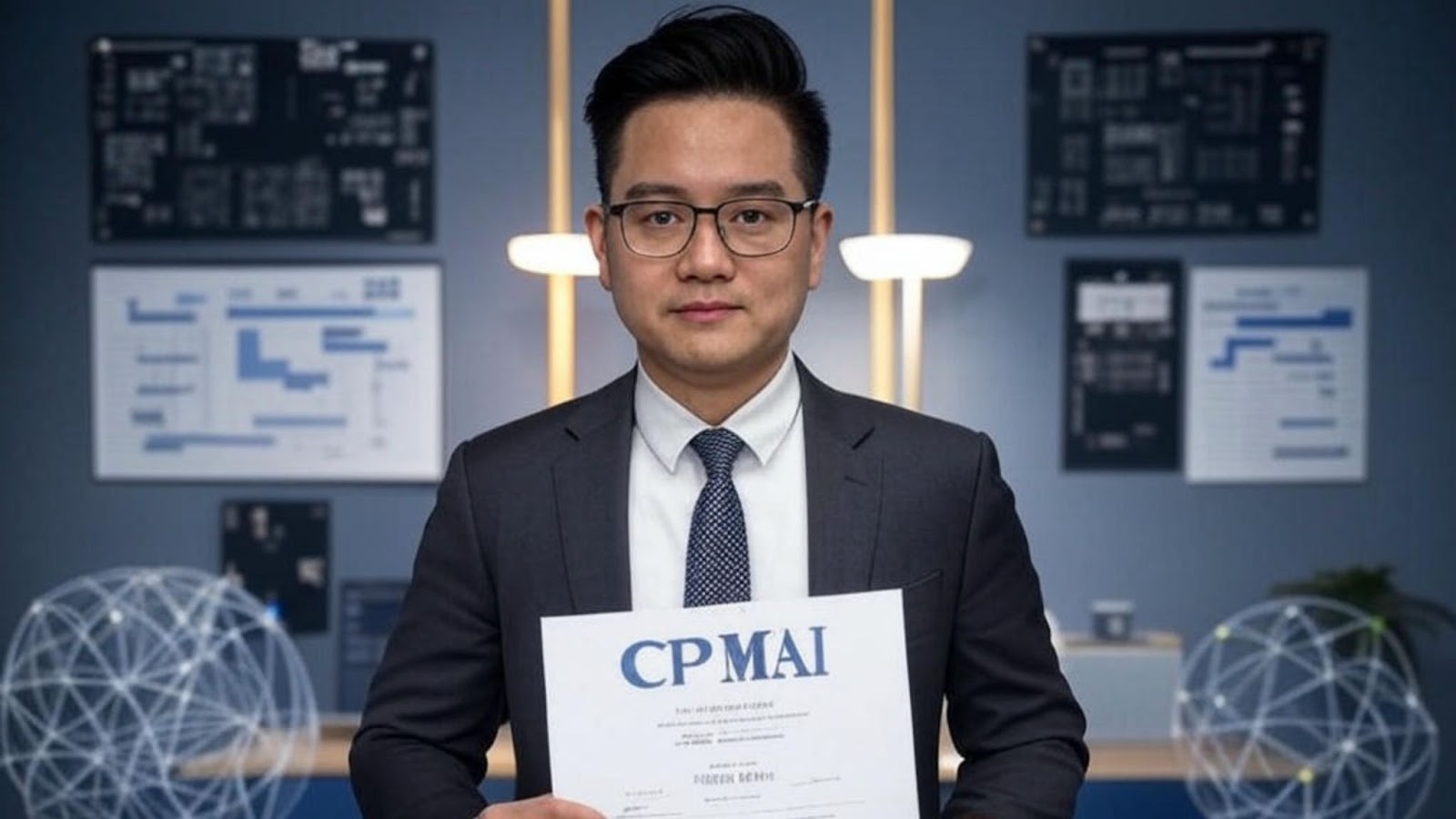
In the volatile landscape of modern business, risk is the only constant. Whether you are managing a high-tech startup in Manhattan or overseeing a massive infrastructure project in the Bronx, the ability to identify, analyze, and mitigate threats is what separates successful projects from costly failures. This is where the PMI RMP Certification (Project Management Institute - Risk Management Professional) comes into play.

If you are looking to elevate your career and protect your organization’s bottom line, obtaining this specialized credential is a transformative step. In this guide, we will explore why the PMI RMP certification is essential, how online training can fast-track your success, and why professionals are turning to NYTCC’s RMP Program to achieve their goals.
What is the PMI RMP Certification?
The PMI-RMP® is a specialized credential offered by the Project Management Institute (PMI) that recognizes an individual’s unique expertise in identifying and assessing project risks, mitigating threats, and capitalizing on opportunities. While a PMP (Project Management Professional) covers the broad spectrum of project management, the RMP dives deep into the "what ifs" of a project.
As projects become more complex and globalized, the demand for dedicated Risk Management Professionals has skyrocketed. Holding this certification proves to employers that you possess the advanced skills required to navigate uncertainty—a trait that is highly rewarded in today’s economy.
The Purpose of Online Training for PMI RMP
Preparing for the PMI-RMP exam is a rigorous process. It requires a deep understanding of the PMBOK® Guide and the Standard for Risk Management in Portfolios, Programs, and Projects. This is why high-quality online training is the preferred route for busy professionals.
1. Flexibility for Working Professionals
Most candidates for the PMI RMP certification are already working in demanding project roles. Online training allows you to study at your own pace, fitting modules between meetings or during commutes. Whether you are in New York or halfway across the world, you can access world-class curriculum without leaving your office.
2. Comprehensive Curriculum Coverage
A structured online course ensures you don’t miss any critical domains. The RMP exam covers five domains:
Risk Strategy and Planning
Risk Identification
Risk Analysis (Qualitative and Quantitative)
Risk Response Planning
Monitor and Close Risks
3. Interactive Tools and Simulations
The best online training programs, such as those provided by NYTCC, offer mock exams and simulators. These tools are vital because they mimic the pressure of the 115-question, 2.5-hour exam, helping you build the stamina and speed necessary to pass on your first attempt.
Why Choose NYTCC for Your RMP Journey?
For those seeking the gold standard in preparation, the PMI RMP Certification in New York through NYTCC offers a blend of localized expertise and global standards. Their program is specifically designed to bridge the gap between theoretical risk management and real-world application.
By visiting NYTCC’s RMP page, candidates gain access to:
Expert Instructors: Learn from veterans who have managed risks in some of the world's most high-stakes environments.
PDUs and Contact Hours: Satisfy the PMI requirement for 30 or 40 contact hours of formal education in project risk management.
Networking: Connect with a community of project leaders in the New York tri-state area and beyond.
Qualitative vs. Quantitative Risk Analysis: The Core of RMP
A major focus of the PMI RMP certification is mastering the two types of risk analysis. Understanding these is crucial for the exam and your daily work.
Qualitative Analysis: This involves prioritizing risks by assessing their probability and impact. It’s about the "feel" and "ranking" of risks.
Quantitative Analysis: This is the numerical analysis of the effect of identified risks on overall project objectives. You’ll learn to use tools like Monte Carlo simulations, Decision Tree analysis, and Expected Monetary Value (EMV).
How to Qualify for the PMI RMP Exam
Before you sit for the exam, you must meet certain eligibility requirements:
With a 4-year degree: You need 3,000 hours of professional project risk management experience and 30 contact hours of formal education in project risk management.
With a high school diploma/associate degree: You need 4,500 hours of professional project risk management experience and 40 contact hours of formal education.
Frequently Asked Questions (FAQs)
Q1: Is the PMI RMP harder than the PMP?
The RMP is more specialized. While the PMP covers more ground, the RMP goes much deeper into mathematics, probability, and risk strategy. Many find the quantitative analysis section of the RMP to be more challenging than anything found on the PMP.
Q2: How long does it take to prepare for the certification?
Most candidates spend 2 to 3 months preparing. This includes completing an online training program, reading the Standard for Risk Management, and taking multiple practice exams.
Q3: What is the salary increase for an RMP-certified professional?
While results vary, PMI’s salary surveys consistently show that specialized certification holders earn significantly more than their non-certified peers. In high-cost areas like New York, the specialized nature of risk management can command a premium salary in finance, construction, and tech.
Q4: Does the RMP certification expire?
Like the PMP, the RMP is subject to the Continuing Certification Requirements (CCR) program. You must earn 30 Professional Development Units (PDUs) in the specialized area of project risk management every three years to maintain your status.
Q5: Can I take the exam online?
Yes, PMI offers the option to take the RMP exam via online proctored testing from your home or office, as well as at designated Pearson VUE testing centers.
Conclusion
The PMI RMP Certification is more than just a set of initials after your name; it is a testament to your ability to lead projects through the fog of uncertainty. In an era where "unprecedented events" seem to happen annually, organizations are desperate for professionals who can anticipate problems before they arise.
By investing in dedicated online training and leveraging resources like the NYTCC RMP program, you are not just studying for an exam—you are mastering a mindset. Protect your projects, advance your career, and become the person your company turns to when the stakes are highest.

Comments
Post a Comment