PMI-SP Certification: Mastering the Art of Project Scheduling Like a Pro

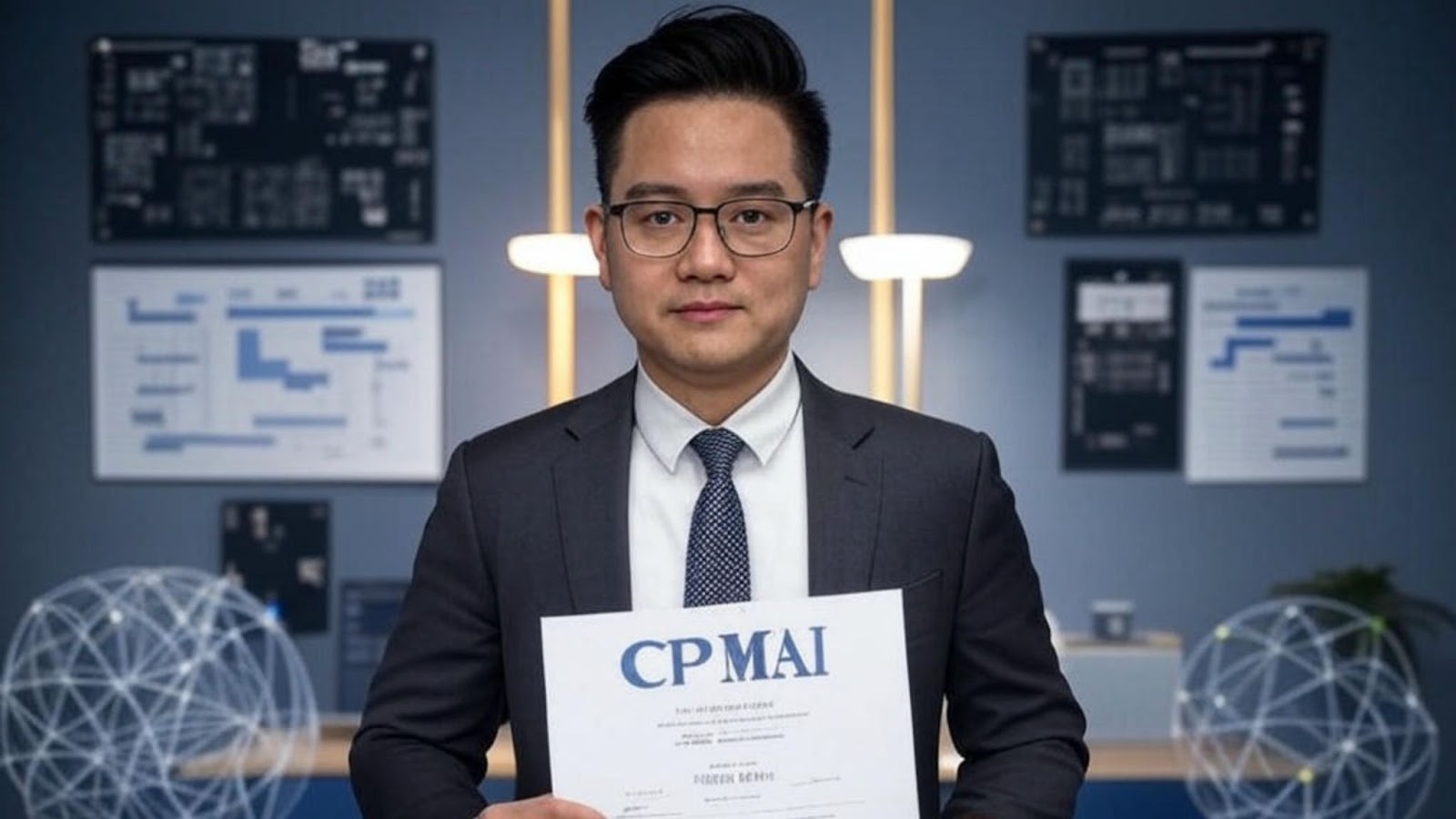
Ever felt like project timelines are a puzzle with missing pieces? Deadlines slipping, resources misaligned, and stakeholders constantly asking, “Are we on track?” Well, you’re not alone! In today’s fast-paced project environments, scheduling isn’t just a task—it’s an art, a science, and honestly, a bit of a survival skill. That’s where PMI-SP Certification steps in like a trusted compass guiding you through the chaos. Designed for professionals who specialize in project scheduling, this certification validates your ability to develop, manage, and maintain complex project timelines. Whether you're already knee-deep in project management or just stepping into the field, earning a PMI-SP Certification can elevate your credibility and sharpen your expertise in ways you might not expect.
What is PMI-SP Certification?
Understanding the Core Concept
The PMI-SP Certification (Project Management Institute Scheduling Professional) is a globally recognized credential focused specifically on scheduling within project management. Unlike general certifications, this one zooms in on the heartbeat of every successful project—time management.
It’s not just about creating timelines; it’s about:
Predicting project risks
Allocating resources efficiently
Monitoring progress accurately
Adjusting schedules dynamically
In short, it’s about turning chaos into clarity.
Who Should Pursue PMI-SP Certification?
Wondering if this certification is your cup of tea? Let’s make it simple.
You should consider PMI-SP Certification if you are:
A project scheduler or planner
A project manager wanting deeper scheduling expertise
A construction or engineering professional
Someone working with tools like Primavera or MS Project
Looking to specialize in project time management
If you nodded even once, you’re already halfway convinced!
Why PMI-SP Certification is a Game-Changer
1. Specialized Expertise That Stands Out
Let’s face it—generalists are everywhere. Specialists? Not so much.
With PMI-SP Certification, you position yourself as a scheduling expert. Employers don’t just see another project professional—they see someone who can keep projects on track, no matter what.
2. Boosted Career Opportunities
Think promotions, better roles, and higher salaries. Sounds good, right?
Certified professionals often get:
Higher-paying job offers
Leadership opportunities
Recognition in their organization
It’s like adding a turbo boost to your career engine.
3. Global Recognition
No matter where you go, the PMI-SP Certification speaks a universal language. It’s recognized worldwide, making it ideal if you’re dreaming of international opportunities.
4. Confidence Like Never Before
There’s something powerful about knowing your stuff inside out.
Once you earn your PMI-SP Certification, you’ll walk into meetings with confidence, ready to tackle even the most complex scheduling challenges.
PMI-SP Certification Eligibility Requirements
Do You Qualify? Let’s Check!
Before you jump in, you’ll need to meet certain criteria.
Option 1: With a Secondary Degree
High school diploma or equivalent
5,000 hours of project scheduling experience
40 hours of project scheduling education
Option 2: With a Four-Year Degree
Bachelor’s degree
3,500 hours of scheduling experience
30 hours of scheduling education
Seems fair, right? It ensures that certified professionals truly know their craft.
PMI-SP Certification Exam Structure
What Does the Exam Look Like?
Alright, let’s talk about the big hurdle—the exam.
Here’s what you can expect:
Number of Questions: 170
Duration: 3.5 hours
Question Type: Multiple-choice
Focus Areas:
Schedule Strategy
Schedule Planning and Development
Schedule Monitoring and Controlling
Closeout and Lessons Learned
It’s not just about memorization—it’s about application.
Key Domains of PMI-SP Certification
1. Schedule Strategy
This is where it all begins.
You’ll learn how to:
Define scheduling approaches
Align schedules with project goals
Identify constraints and assumptions
2. Schedule Planning and Development
Here’s where things get detailed.
Topics include:
Creating realistic timelines
Resource allocation
Critical path analysis
3. Schedule Monitoring and Controlling
Plans are great—but execution? That’s the real deal.
This domain focuses on:
Tracking progress
Managing delays
Updating schedules
4. Closeout and Lessons Learned
Every project tells a story.
You’ll learn to:
Analyze performance
Document lessons
Improve future scheduling
How to Prepare for PMI-SP Certification
Step-by-Step Study Plan
Feeling overwhelmed? Don’t worry—here’s a practical roadmap:
1. Understand the Exam Content Outline
Start with the official guidelines. Know what you’re up against.
2. Use Reliable Study Materials
PMI guides
Online courses
Practice exams
3. Practice, Practice, Practice!
Mock tests are your best friend. They reveal your weak spots.
4. Join Study Groups
Learning with others makes the journey less lonely—and more fun.
5. Focus on Real-World Application
Don’t just memorize—understand how concepts apply in real projects.
Pro Tips for Success
Break study sessions into manageable chunks
Use flashcards for key terms
Simulate exam conditions
Stay consistent (even when motivation dips!)
Common Challenges and How to Overcome Them
1. Time Management Issues
Ironically, many struggle with time while preparing for a scheduling certification!
Solution: Create a study schedule—and stick to it.
2. Complex Concepts
Critical path analysis or float calculations can feel tricky.
Solution: Practice with real examples until it clicks.
3. Exam Anxiety
Nervous before the test? Totally normal.
Solution: Take deep breaths, stay positive, and trust your preparation.
Tools You Should Know for PMI-SP Certification
Essential Scheduling Tools
To truly excel, you should be familiar with:
Microsoft Project
Oracle Primavera
Smartsheet
Gantt charts and network diagrams
These tools aren’t just exam topics—they’re industry essentials.
Career Opportunities After PMI-SP Certification
Where Can It Take You?
Once you’ve earned your PMI-SP Certification, doors start opening—wide!
Popular Roles Include:
Project Scheduler
Planning Engineer
Project Control Specialist
Program Manager
Industries That Value PMI-SP Certification
Construction
IT and Software Development
Manufacturing
Oil and Gas
Healthcare
Basically, if projects exist, scheduling matters!
PMI-SP Certification vs Other PMI Certifications
What Makes It Unique?
You might be wondering—how is it different from PMP?
Here’s the deal:
PMP: Broad project management knowledge
PMI-SP Certification: Deep focus on scheduling
Think of PMP as a general physician and PMI-SP as a specialist surgeon.
Both are valuable—but serve different purposes.
Maintaining Your PMI-SP Certification
Don’t Let It Expire!
Once certified, you’ll need to maintain your credential.
Requirements:
Earn 30 Professional Development Units (PDUs) every 3 years
It’s all about staying updated and relevant.
Conclusion
So, here’s the million-dollar question—should you go for PMI-SP Certification? If you’re serious about mastering project scheduling, standing out in a competitive job market, and becoming the go-to expert for timelines and planning, then yes—without a doubt! It’s not just a certification; it’s a career-defining step. Sure, the journey requires effort, discipline, and a fair bit of patience. But once you cross that finish line? Totally worth it. Because at the end of the day, projects don’t fail because of bad ideas—they fail because of poor planning. And with PMI-SP Certification, you become the person who ensures that never happens.

Comments
Post a Comment